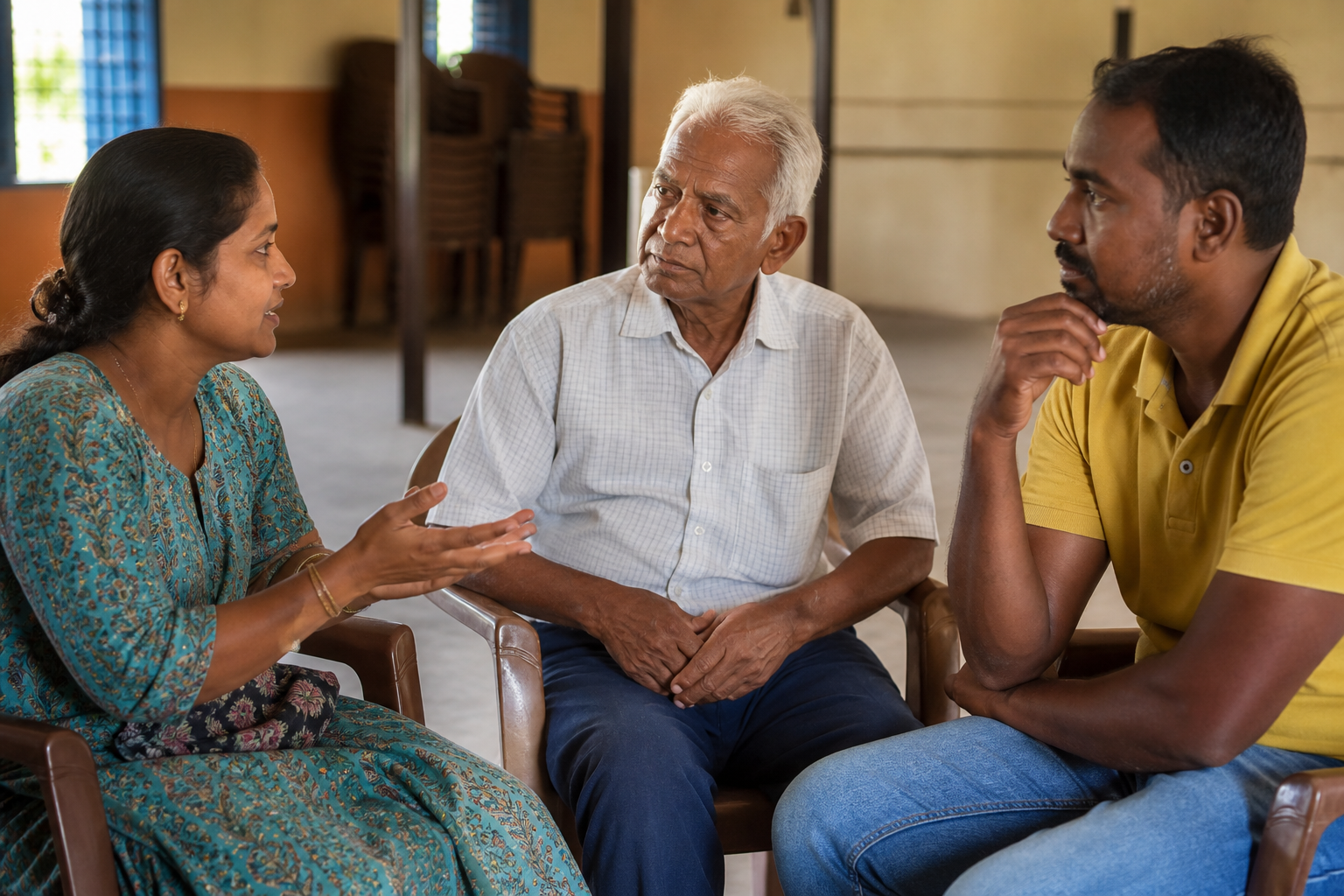
In one home, a daughter may need to speak openly about her father at the table. Her mother may need silence. A son may throw himself into work. A grandmother may pray in a rhythm the others do not share. Each response can be genuine. Each can also feel, to the others, like betrayal.
NiVan sees this often: not one grief, but several griefs negotiating the same rooms.
When difference is read as disloyalty
"You don't care enough" and "You need to move on" are often two sides of the same misunderstanding. One person reads quiet as coldness. Another reads tears as weakness. Children watch adults and learn which feelings are allowed.
Peer circles and family-sensitive counselling can name these differences without ranking them. The goal is not one approved performance of sorrow. It is enough safety to stay in relationship while pain takes different shapes.
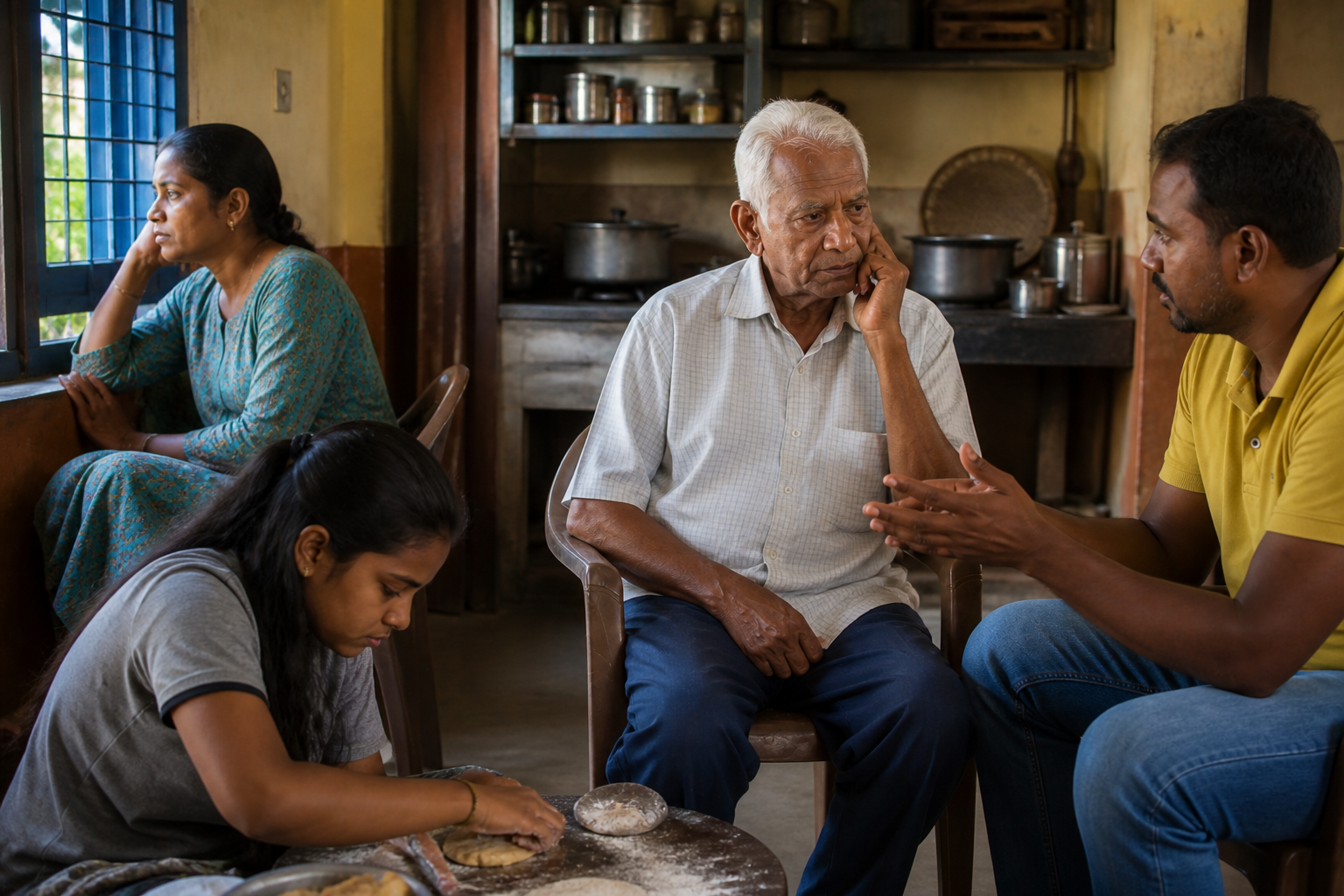
“There is no single correct way to mourn inside one family. There is only the work of not leaving anyone alone in their way.”
Building a shared language slowly
Shared language rarely arrives in a single conversation. It grows through repeated small choices: saying a name without shaming the person who cannot say it yet, allowing one ritual and not forcing another, asking what help looks like rather than assuming.
That is slow work. It is also the work that keeps families from fracturing in the months after a death.
