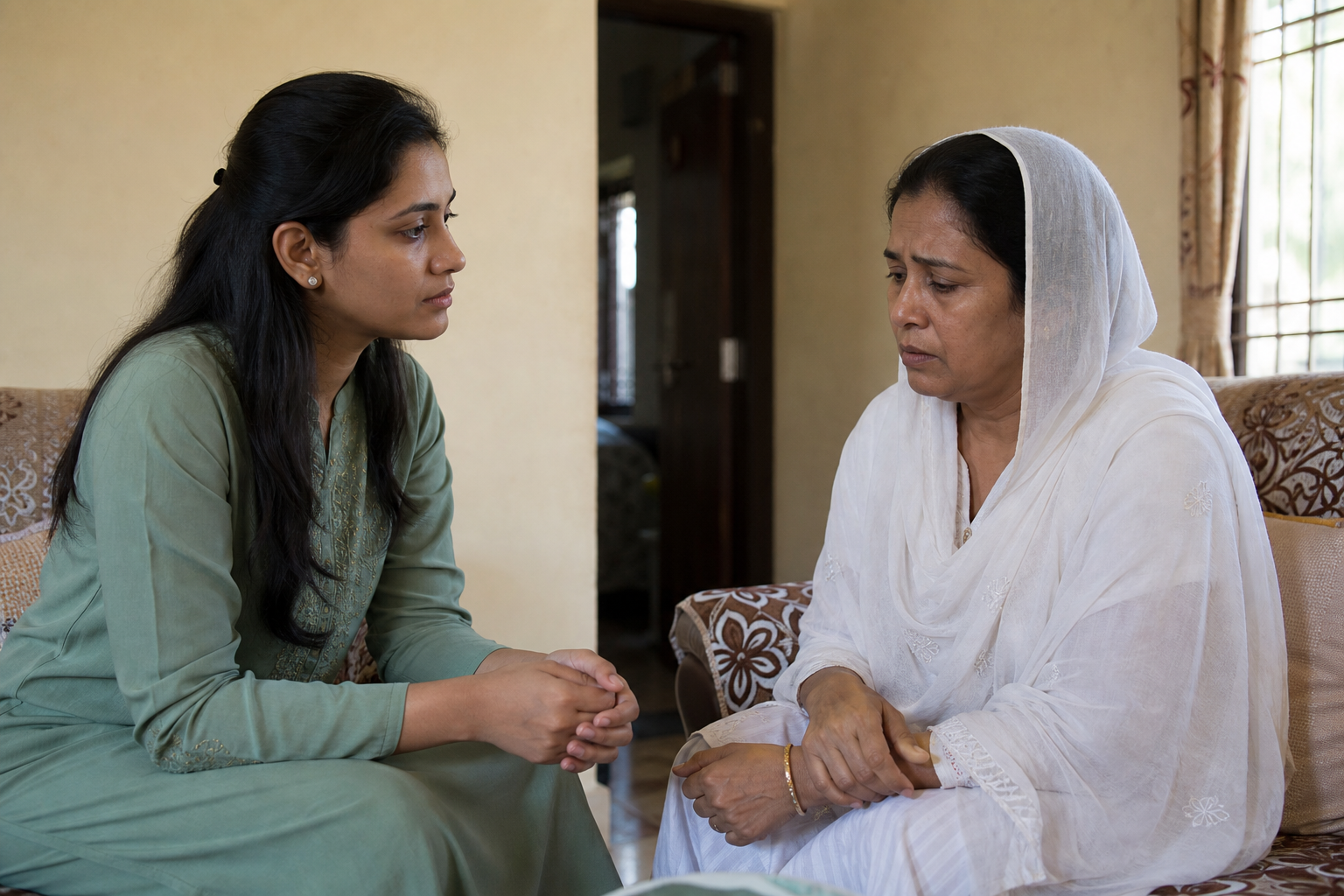
Many people are told that healing means finding closure. Friends, colleagues, and even well-meaning relatives wait for the day you finally "move on," as if mourning were a door you could shut and lock behind you. After a death in an Indian household, that pressure often arrives quickly. Relatives praise strength. Work expects a return. Neighbours were kind for a few days. Then the house grows quiet, and the quiet is treated as a sign that the work of grief should already be finished.
Yet for countless families NiVan walks with, love does not end when a life does. You can put away the funeral clothes and still reach for a voice that is not there. Closure sounds tidy. Grief rarely is.
Why closure can feel like a false promise
Closure suggests grief has a finish line. Real mourning is often messier: waves of memory, birthdays that still hurt, a festival that arrives without the person who used to sit in that chair. You can be laughing at breakfast and undone by a song in the afternoon. That does not mean you failed. It means you loved someone whose absence still rearranges the room.
When we treat unfinished feelings as failure, we add shame to sorrow. People begin to hide. They stop saying the name. They apologise for tears that come "too late." A kinder frame is that grief changes shape. It does not always disappear.
“Love does not require a closing ceremony. Sometimes the bravest work is learning how to keep company with what remains.”
What "moving on" often asks people to abandon
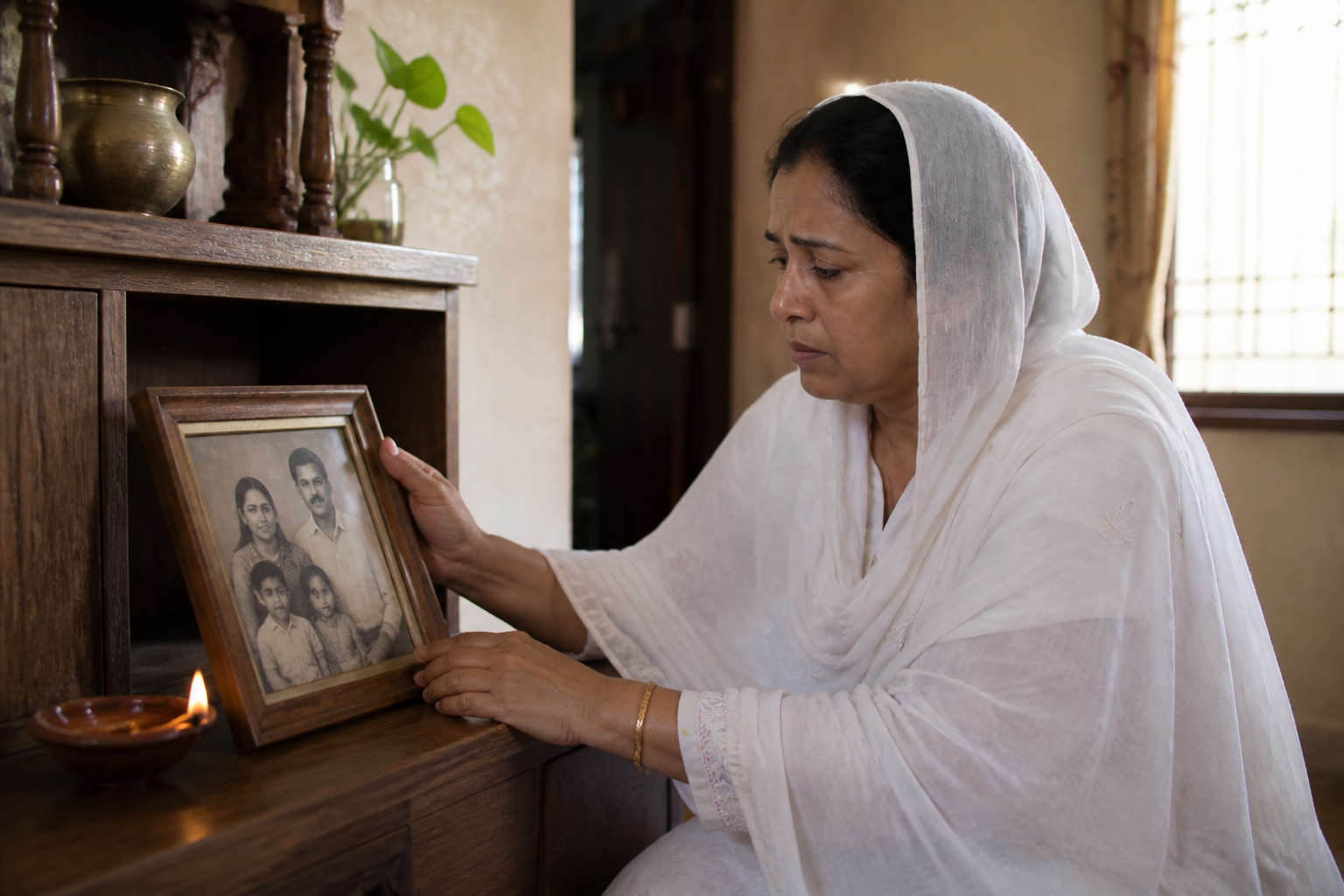
The phrase sounds practical. In practice it often asks a person to abandon loyalty, to stop speaking to the dead, to put photographs away so guests are not made uncomfortable, to treat remembrance as weakness rather than love.
For many families we meet, lighting a lamp on an anniversary, cooking a favourite meal, or telling a child about someone they barely remember are not refusals to heal. They are ways of saying this relationship still matters. GiVa does not ask people to forget. We ask what still connects, what still hurts, and what support looks like without a stopwatch.
What healing can look like
Healing may mean learning to carry love and loss together. It may mean sleeping better some weeks and worse on others. It may mean returning to work while still speaking to your loved one in the quiet of your mind. None of that is a contradiction. It is human.
If your mourning does not look like a film, you are not doing it wrong. If it lasts longer than the leave policy, you are not weak. You deserve companions who will not rush you toward a tidy ending.
Related book: Late Migrations by Margaret Renkl
